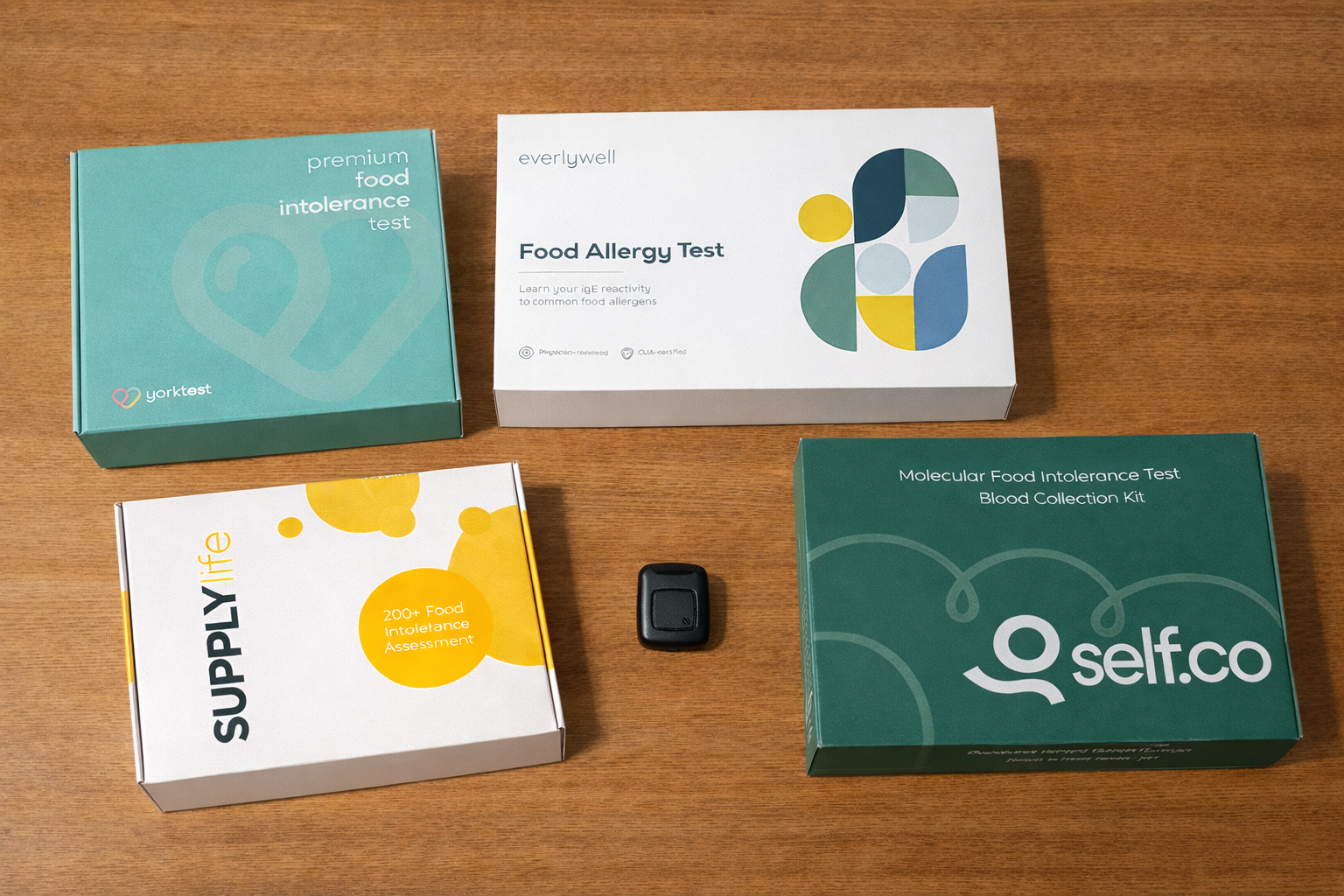
Bloating after meals. Brain fog. Unexplained fatigue. Skin issues. Digestive discomfort that seems to appear randomly.
For many people, these symptoms quietly become part of daily life. You adjust your diet, try elimination phases, avoid certain foods — yet the discomfort keeps returning.
Food intolerance is frustrating precisely because it rarely produces dramatic, immediate reactions like a classic food allergy. Instead, symptoms are delayed, inconsistent, and difficult to trace back to specific foods.
That uncertainty leads many people to one question:
“How do I figure out what my body actually reacts to?”
Where does food intolerance come from?
In many cases, there isn’t a single cause.
Instead, food intolerance can emerge from a combination of digestive, biochemical and immune-related factors that vary widely from person to person.
It may involve:
- Difficulty digesting certain compounds — Some individuals lack sufficient enzymes needed to properly break down specific food components. Lactose intolerance is the best-known example, but similar mechanisms may apply to other compounds such as FODMAPs.
- Reactions to naturally occurring food substances — Certain foods contain bioactive compounds like histamine, salicylates, or sulfites that some bodies struggle to process efficiently.
- Sensitivity to additives or processing agents — Modern diets include preservatives, emulsifiers, colorants, and stabilizers, which may contribute to discomfort in susceptible individuals.
- Gut microbiome imbalances — The digestive system relies heavily on a diverse ecosystem of bacteria. Disruptions — influenced by stress, antibiotics, illness, or diet — may alter how foods are tolerated.
- Individual immune responses — Some reactions may involve delayed immune mechanisms that do not resemble typical allergies but can still correlate with symptoms.
What makes food intolerance particularly frustrating is its unpredictability.
Symptoms often appear hours — sometimes even days — after consuming a trigger food. Unlike allergies, reactions are rarely immediate or dramatic. Instead, they can manifest as vague, fluctuating issues such as bloating, fatigue, headaches, skin irritation, or digestive discomfort.
Because of this delay, identifying triggers through observation alone becomes extremely difficult.
A meal that seems harmless today may lead to discomfort tomorrow. Symptoms may accumulate gradually. Patterns remain hidden.
This is precisely why self-diagnosis frequently fails and why structured testing has become increasingly popular.
How Do Food Sensitivity Tests Actually Work?
Once people begin exploring food sensitivity testing, they often expect definitive answers.
“Which food is bad for me?”
However, biological responses to food are rarely that absolute.
Many modern food sensitivity tests measure IgG antibodies — a topic that is frequently misunderstood.
To understand their role, it is important to distinguish between three commonly confused concepts:
Food allergies (IgE-mediated) — Immediate immune reactions
Food intolerances (digestive / metabolic) — Processing limitations
Food sensitivities (often IgG-associated) — Typically delayed responses
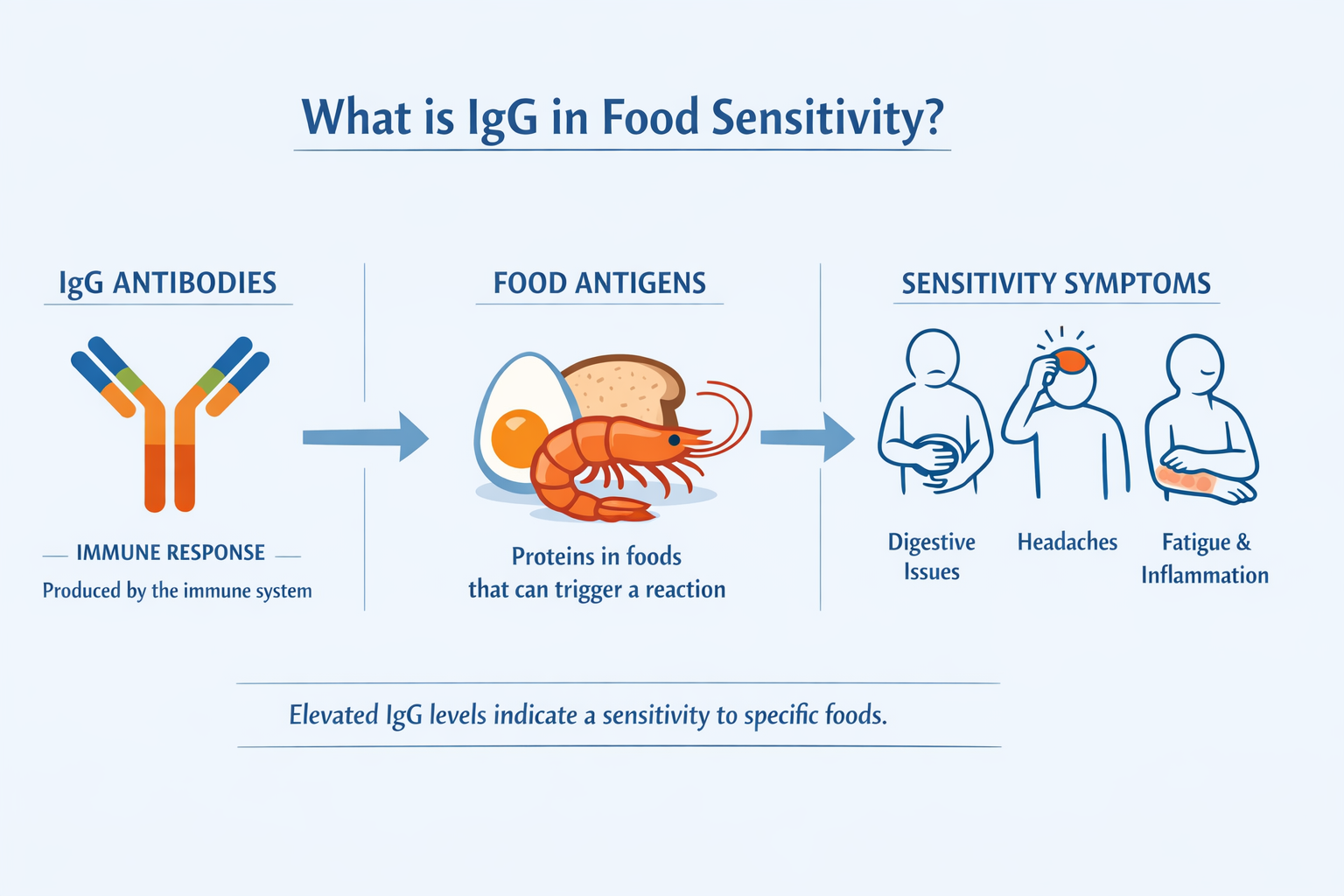
IgG antibodies themselves are not harmful. They are a natural part of the immune system and primarily indicate exposure to specific foods.
Here’s the critical nuance:
- IgG responses do not automatically equal intolerance
- Their interpretation remains scientifically debated
- Elevated levels require contextual understanding
- Symptoms are influenced by multiple factors
This is precisely where poor-quality tests often create confusion.
By presenting antibody findings as definitive diagnoses, they risk oversimplifying highly complex biological processes.
A well-designed test, by contrast, takes a more responsible approach. It does not claim to diagnose disease. It does not label foods as universally harmful.
Instead, it provides structured data intended to help users identify potential correlations and patterns worth exploring.
Because in food sensitivity testing, value lies not only in measurement — but in interpretation.
And this is exactly where many testkits begin to differ.
The uncomfortable truth: Many food tests disappoint
The growing popularity of at-home testing has created a crowded market.
Unfortunately, not all testkits are created equal.
Common problems include:
- Overwhelming reports with little guidance
- Poor explanation of what results actually mean
- Limited food panels
- Lack of follow-up support
- Misleading promises
A test without context can create more anxiety than clarity.
What should a good food intolerance testkit include?
With so many at-home testing options available today, choosing the right product can feel surprisingly difficult.
Sleek marketing, bold promises, and scientific-sounding terminology often make competing tests appear similar at first glance. In reality, however, the differences can be substantial.
Before purchasing any food intolerance testkit, consumers should take a step back and ask a few critical questions:
- Large food panel — The broader the range of foods tested, the more meaningful the potential insights. Limited panels restrict usefulness and may overlook relevant triggers.
- Clear interpretation — Raw numbers alone are rarely helpful. Results should be presented in a way that is understandable without requiring medical training.
- Actionable guidance — A good test doesn’t just report findings; it helps users understand what practical steps they may consider next.
- Scientific transparency — Responsible providers openly explain what their test can — and cannot — determine. Overconfident claims are often a red flag.
- User-friendly experience — From sampling to result delivery, the process should feel simple, intuitive, and stress-free.
- Support & educational resources — Context matters. Reliable providers offer guidance that goes beyond the report itself.
- Balanced communication — The goal is clarity, not alarmism. Good tests inform rather than frighten.
Because ultimately, a testkit is only as valuable as the decisions it helps inform.
With this checklist in mind, we evaluated five well-known food intolerance testing options currently available to consumers.
The results revealed some clear distinctions.
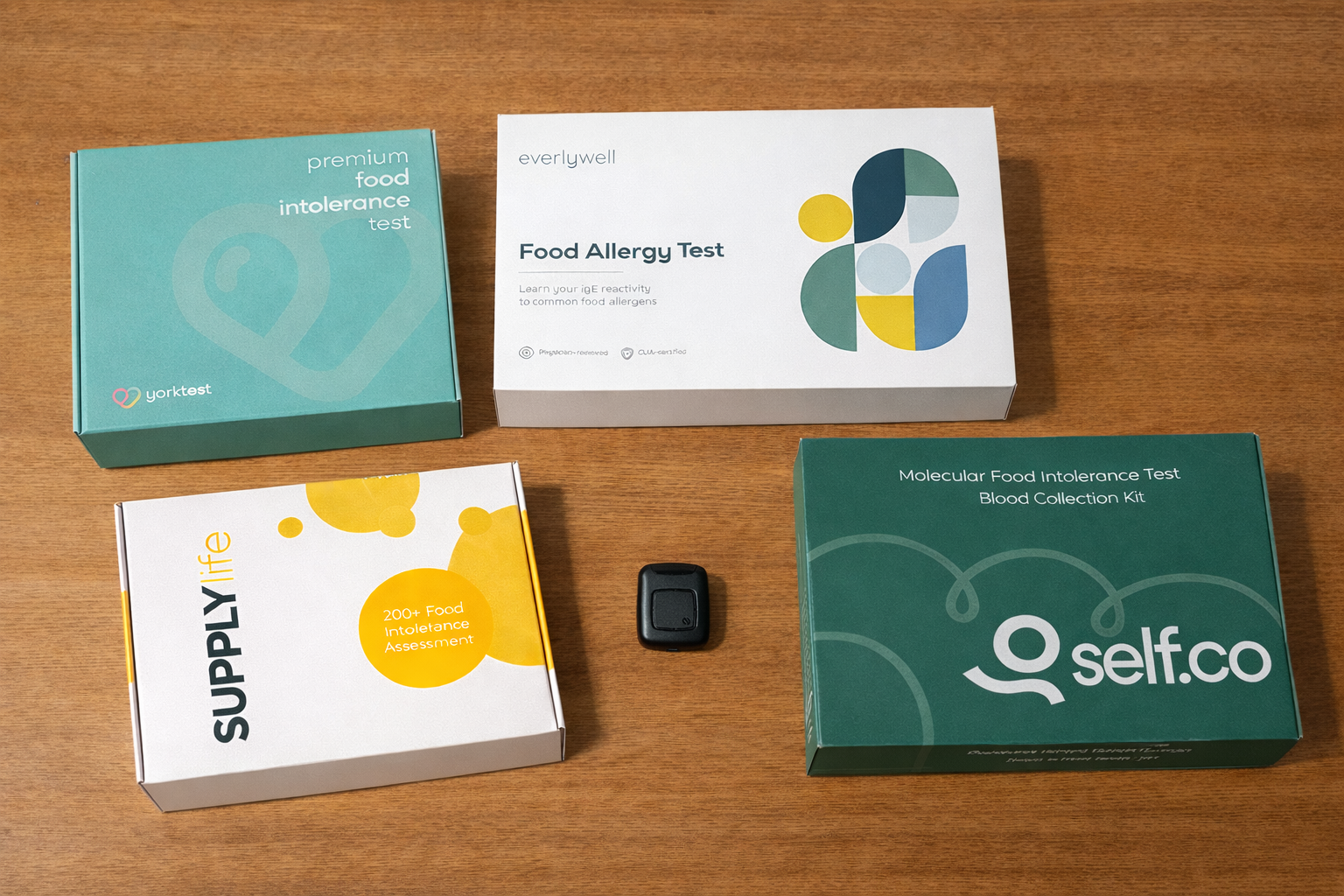
We Tested 5 Popular Food Intolerance Testkits
With the growing number of at-home food sensitivity tests available today, consumers are faced with an overwhelming range of options.
Many kits promise clarity, precision, and life-changing insights. Yet the real question remains:
Which test actually delivers results that are useful, understandable, and responsibly presented?
To find out, we took a closer look at five well-known food intolerance testkits currently on the market.
Rather than focusing on marketing claims, we evaluated what truly matters from a user’s perspective — including clarity of results, ease of use, scientific transparency, and practical value.
Here is how the tests performed:
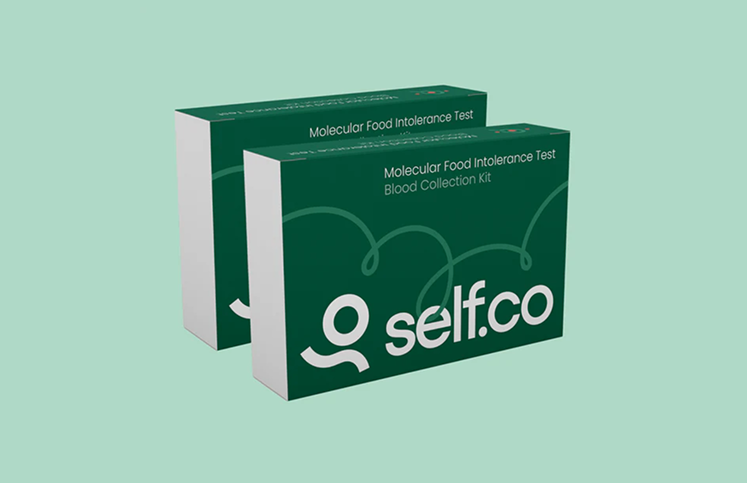
self.co — Food Sensitivity Test & Allergy Test Bundle
Winner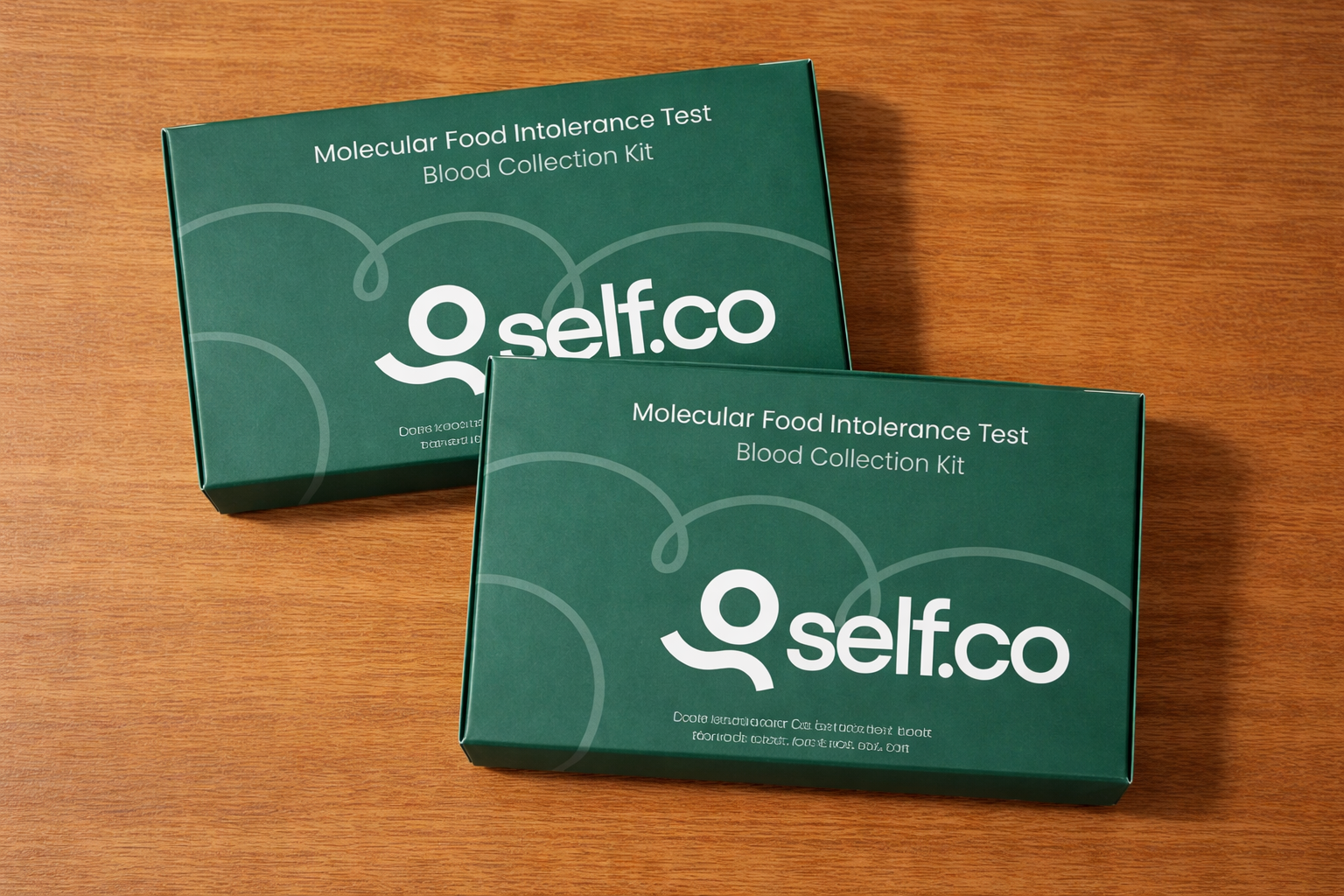
self.co stood out immediately for its balance between scientific caution and practical usability.
What impressed us most:
- Large food panel — Offering broad coverage for more meaningful insights
- Clear interpretation — Results presented in a structured, easy-to-understand format
- Actionable guidance — Practical direction instead of raw data overload
- Scientific transparency — Responsible communication without exaggerated claims
- User-friendly experience — Simple sampling and intuitive reporting
- Educational support — Helpful explanations that provide real context
Instead of overwhelming users with technical data, self.co provides structured insights designed for real-world decision making.
The experience feels modern, transparent, and reassuring.
Exclusive Reader Offer for our winner:
50% off for a limited time only
Following our comparison, we reached out directly to the team behind self.co.
Given the strong performance of their food sensitivity testkit, we were able to arrange a limited-time introductory offer exclusively for our readers.
For a short period, new customers receive a significant discount on the self.co Food Sensitivity Test, along with additional benefits designed to make testing both simple and risk-free.
This special offer is only available for a limited number of orders. Once the allocated quantity is claimed, the test will return to its regular price.
Your Advantages at a Glance
- Exclusive savings through this reader-only offer
- Comprehensive food panel for broader insights
- Clear, easy-to-understand results
- User-friendly at-home testing process
- Risk-free experience backed by satisfaction protection
Take advantage of this limited-time offer while it remains available.
YorkTest
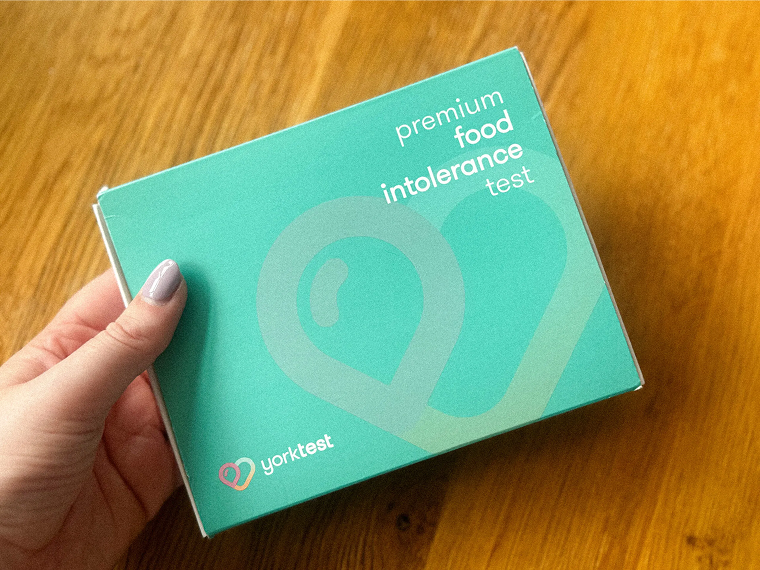
YorkTest is one of the more established brands in this space.
Strengths:
- Reputable brand presence
- Wide test selection
Limitations we observed:
- Report presentation feels dense
- Less intuitive interpretation for beginners
- Higher price point
Good credibility, but usability may challenge first-time testers.
Everlywell — Food Sensitivity Comprehensive Test

Everlywell offers a polished consumer experience.
Strengths:
- Strong branding
- Smooth ordering process
Limitations:
- Report can feel generic
- Limited contextual education
- Interpretation guidance somewhat minimal
Appealing design, but depth of guidance may vary.
FoodMarble — Food Intolerance Kit

FoodMarble takes a very different approach, focusing on breath analysis rather than antibodies.
Strengths:
- Interesting technology
- Useful for specific digestive triggers
Limitations:
- Narrower scope
- Requires active tracking & repeated testing
- Less comprehensive food coverage
Better suited for highly engaged users.
Supply Life — Home Testing Kit

Supply Life offers multiple health-related tests.
Strengths:
- Broad wellness focus
Limitations:
- Less specialization in food sensitivity
- Reporting clarity varies
- Fewer educational resources
Functional, but less refined for intolerance-specific needs.
Final verdict: Which food intolerance testkit is most useful?
When evaluating at-home health tools, the goal is not simply data collection.
It’s practical insight without unnecessary confusion.
self.co earned the top position because it consistently satisfied every critical quality factor:
- Breadth — Comprehensive food coverage
- Clarity — Easy-to-understand results
- Transparency — Scientifically responsible communication
- Usability — Effortless user experience
- Guidance — Practical, actionable insights
Most importantly, it avoids the common trap of turning complex biology into oversimplified promises.

About the Author
Mara Grey is a nutrition scientist specialising in food sensitivities, digestive health, and functional nutrition. For more than ten years, she has researched how individual physiological responses to foods can influence wellbeing, energy levels, and everyday comfort. As an independent contributor to multiple consumer health publications, she regularly analyses and evaluates at-home testing solutions, focusing on scientific transparency, result clarity, and practical usability for real-world consumers.